on
Oeam Village
Today is a day in the Life experience of Oeam village, a historic community dating back to the Joseon period.
On the little over an hour-long bus trip to Oeam, our guide talked about the Korean education system.
Our guide has a five-minute older twin sister, she has two kids, his nephew and niece. He gave their very full schedule at 4th and 3rd grade a number of years ago. Parents spend $400/child/month on private tutors, approximately 10+ hours per week. The very rich area of Seoul, Gangnam, spends $1000-2000/child/month. Some kids go to bed at 10:30-11pm after homework and are up at 6:30 am for tutoring before school.
Student exams are often high stakes, leading to student stress and a high suicide rate.
All Korean men are required to do military service. The group BTS had to pause performing for military service and the members put on weight as they were required to eat three meals and the dancing was more demanding than the military exercise. Our guide and his sister went to the US at age 16 to live with their uncle in New Jersey to escape from this high pressure education system at the behest of their grandfather. She was able to go right away, but it took six months for his paperwork that would ensure he would come back for military service. Because of his time in the US, his English is excellent.
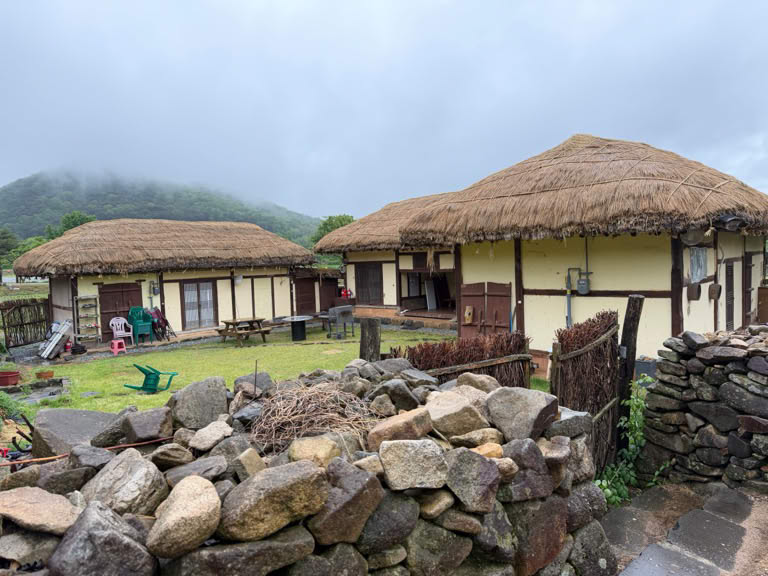
When we arrived in the village, we crossed the stream and met a village elder that told us a little bit about the village and took us to our first stop. Oeam was founded in the early 16th century by members of the Kang and Mok clans, Oeam currently has a population of just 192 people, most of whom earn a living through agriculture.
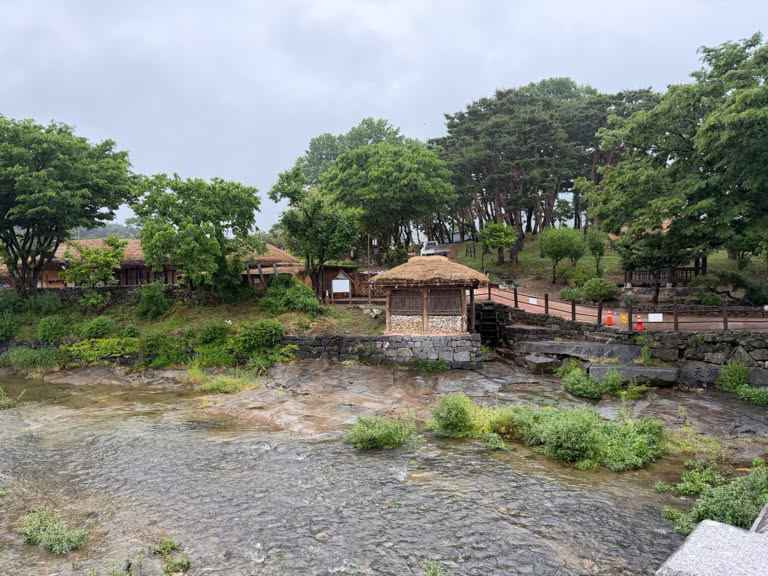
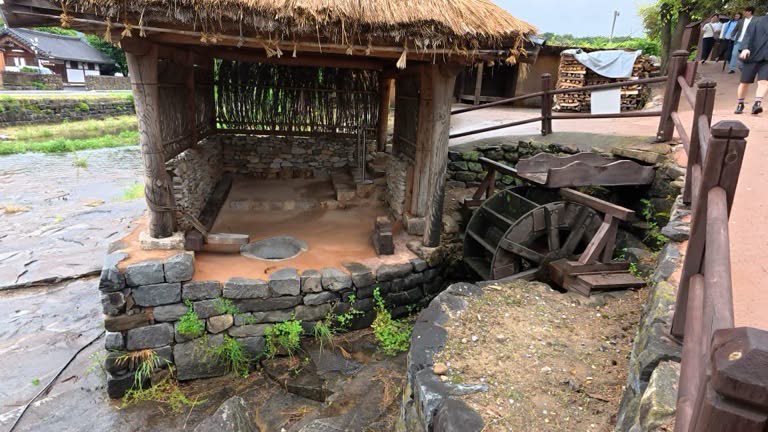
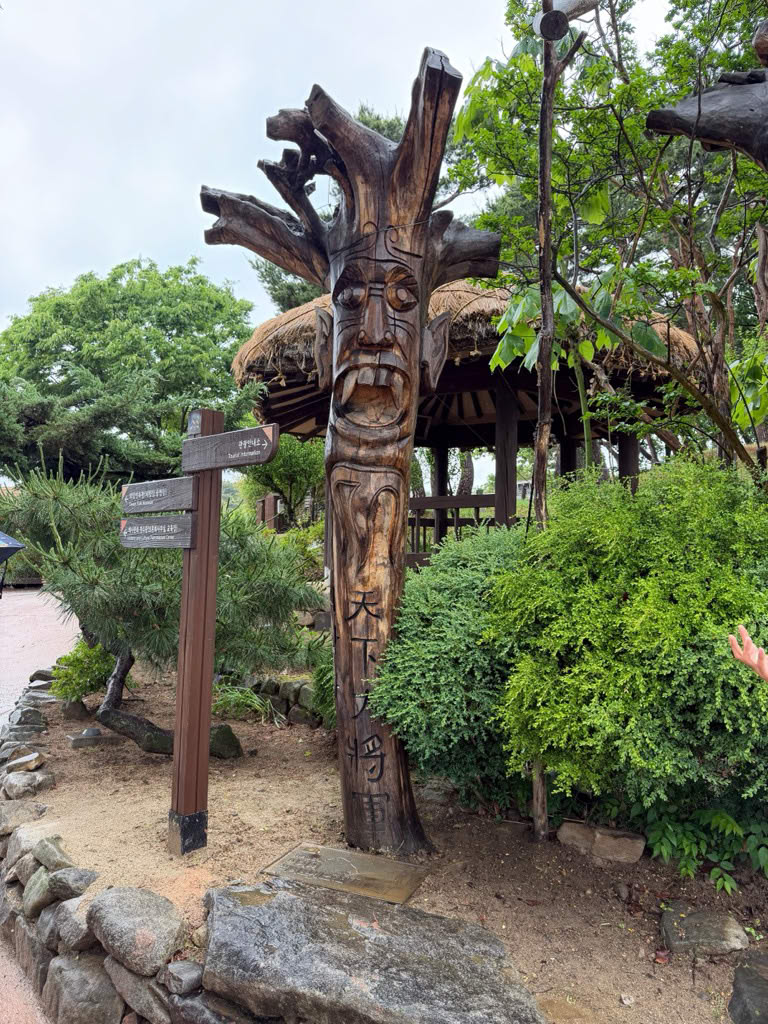
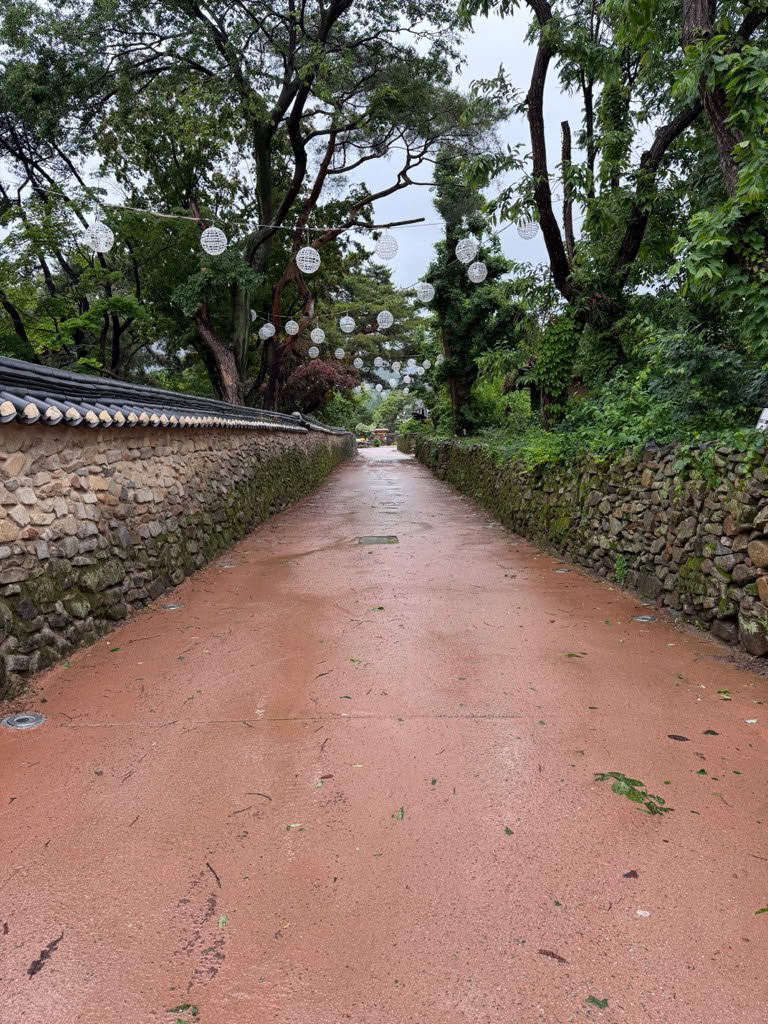
The village houses have thatched roofs.
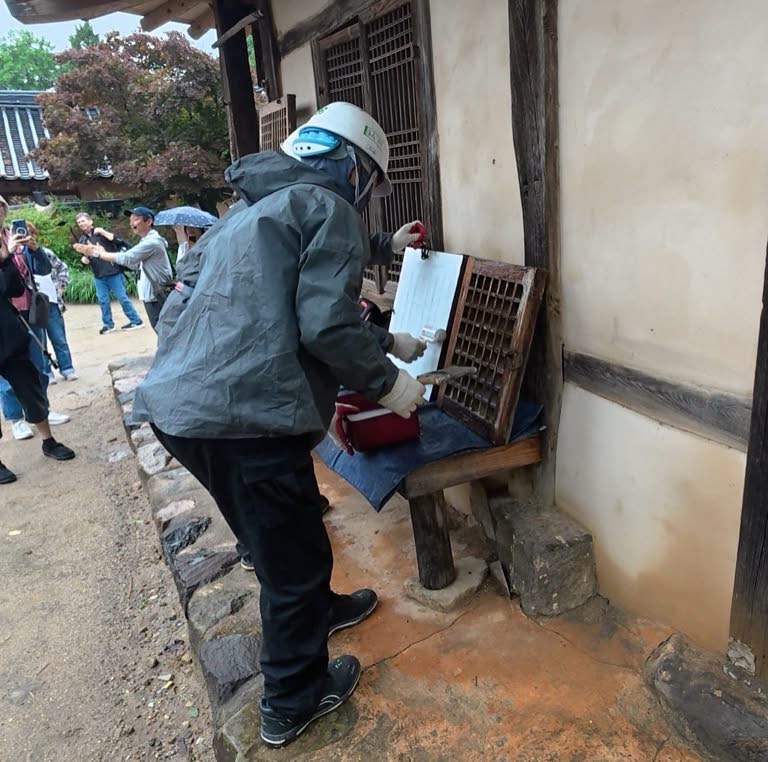
There were some workers redoing the windows of an old house. The windows are a wooden lattice with a rice paper glued over them. They were replacing the paper.
Our first stop is the home of a local woman who taught us how to make gochujang, a sweet and savory red chili paste. She is ready for us with everything pre-measured and ready to mix.
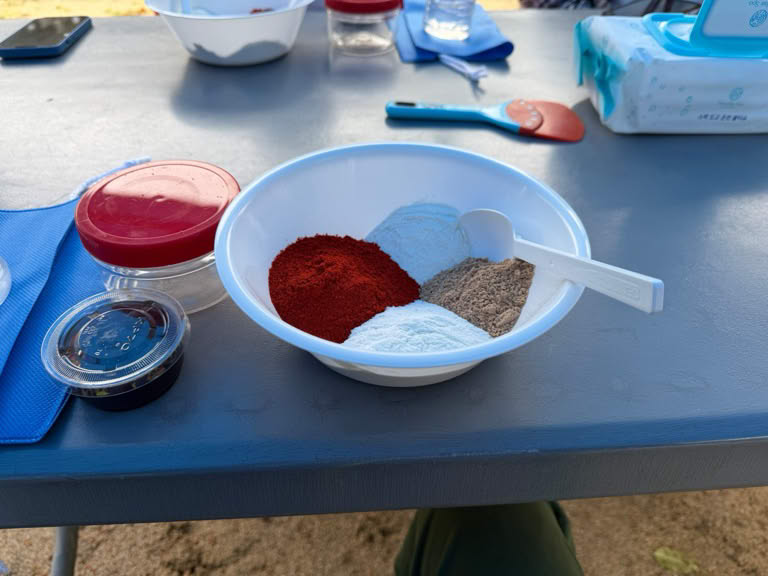
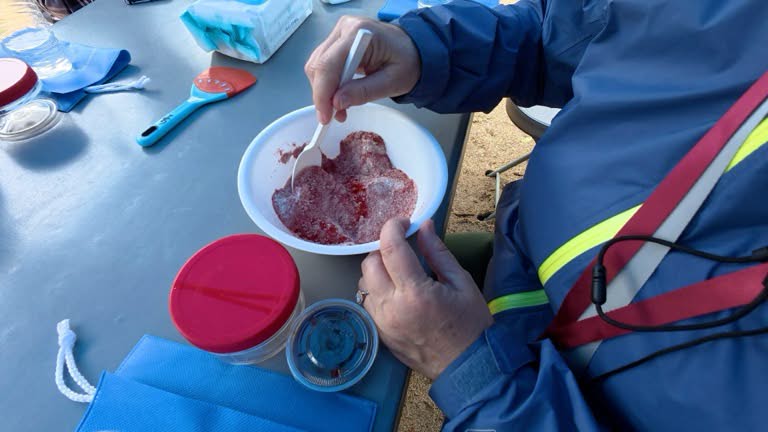
There is a fermented soybean paste in the little container that we also mix in, then pack the result in the jar with the red lid. It needs to sit and ferment for 100 days before it’s ready. We were able to bring it back in our checked luggage.
Gochujang normally ferments in clay pots. In olden days the person in this house would have made Gochujang for much of the village and they would have made vast quantities of it. Now it’s just a few of the smaller pots on the left.
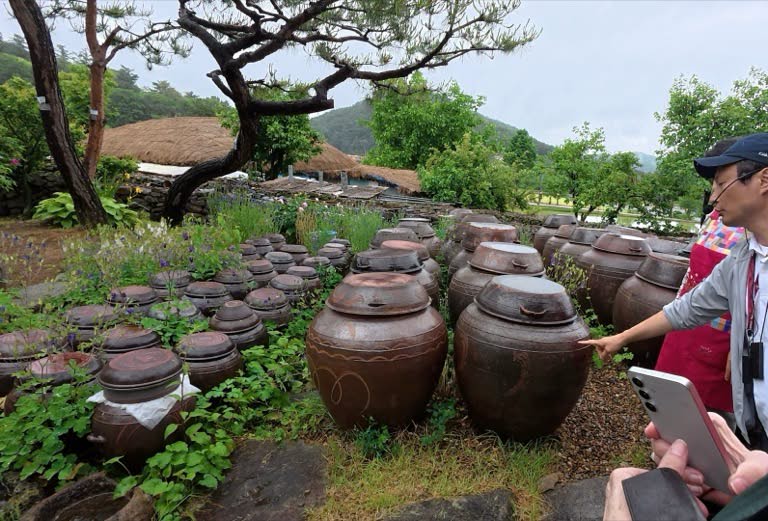
Our host also talked about some of the old dishes and books in the house. She married into the family and much of this was here when she moved in. This book is the Korean equivalent of Dick and Jane.
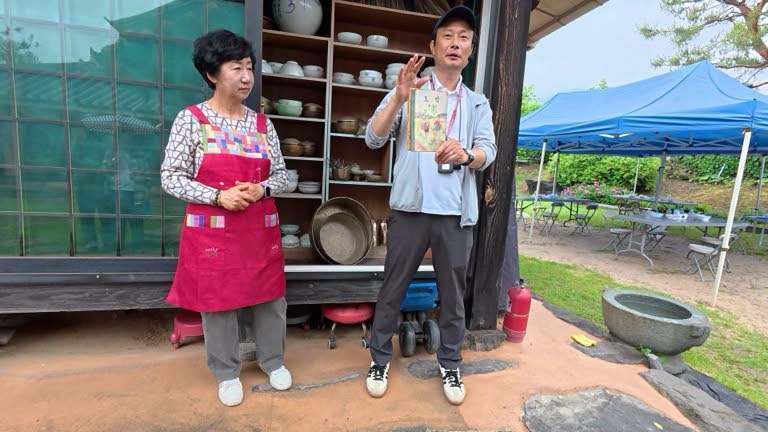
Our next stop is the home of another resident, who is a descendant of a Joseon Dynasty royal court officer. We learn how to make Yunyupju, a traditional liquor once served to kings made from the blossoms and the leaves of the lotus. They have a secret recipe that has been passed down for generations of this family.
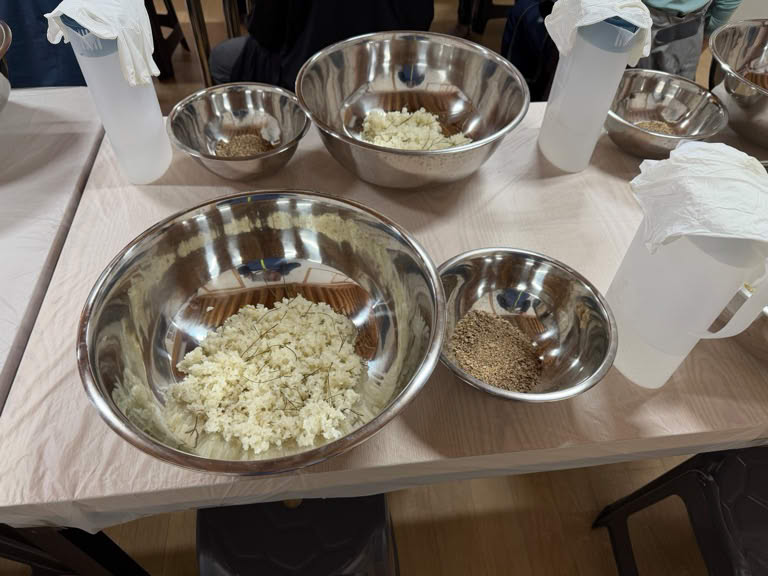
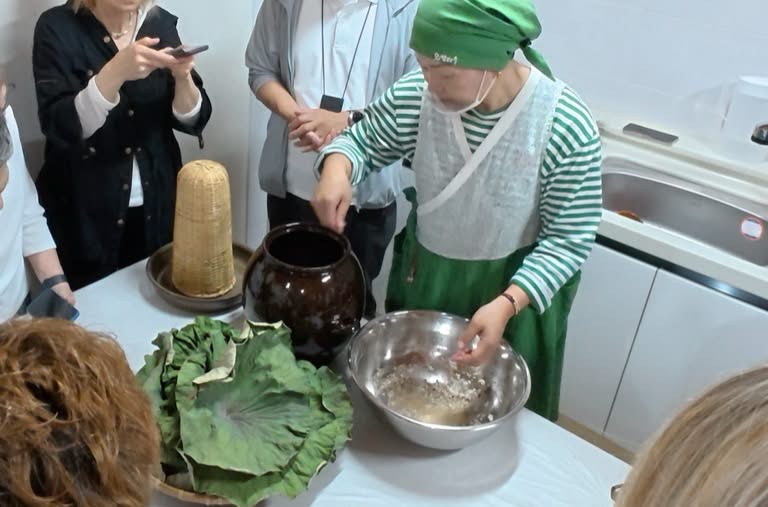
We got to taste the wine after mixing up our ingredients. This is from a prior batch as ours will need to ferment and age for months.
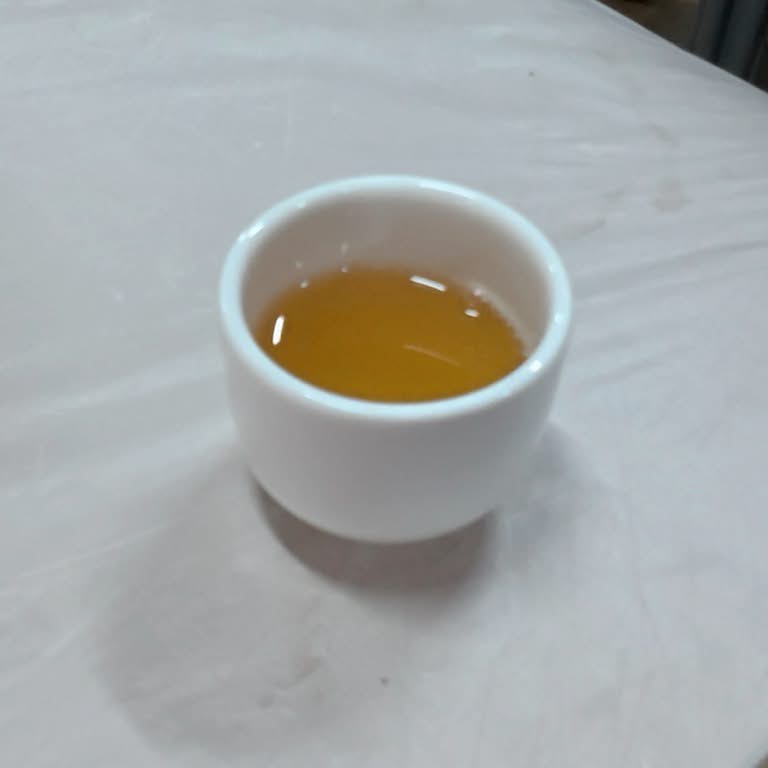
At lunch, we were served Omija-cha or magnolia berry tea. Omija means “five flavors”, which are sweetness, sourness, bitterness, saltiness, and pungency. Supposedly, a traditional Korean medicine doctor can diagnose problems by hearing what you can taste.
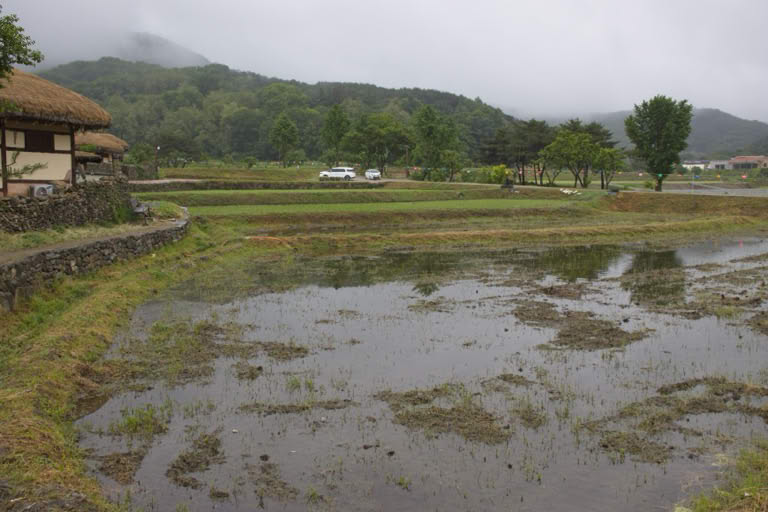
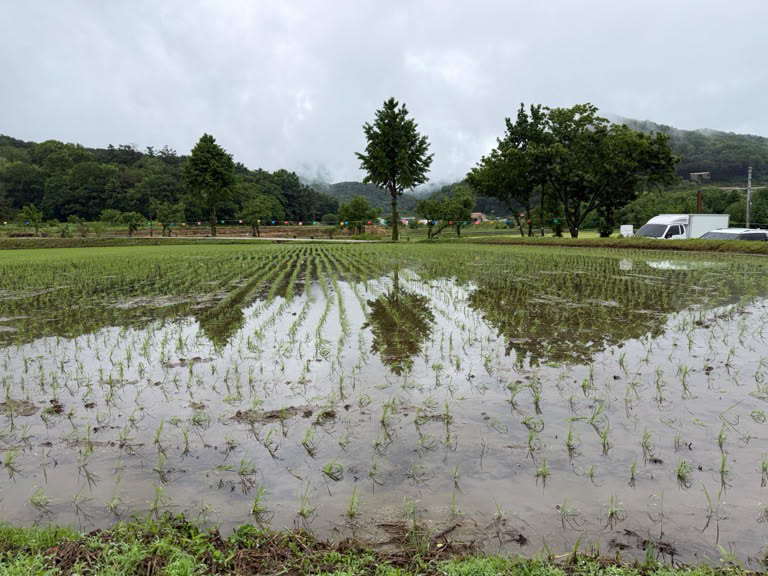
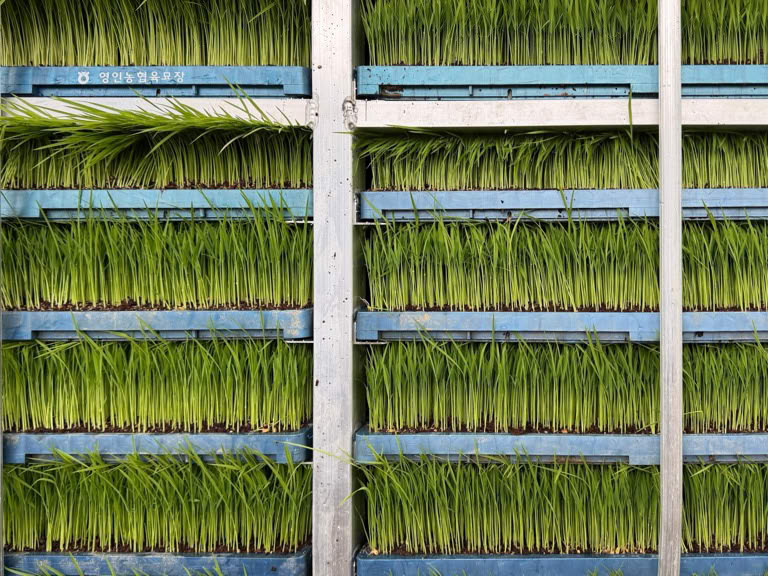
A truck arrived as we were leaving with flats of new rice seedlings ready to be transplanted into the fields. We left before they started, so didn’t get to see the process.
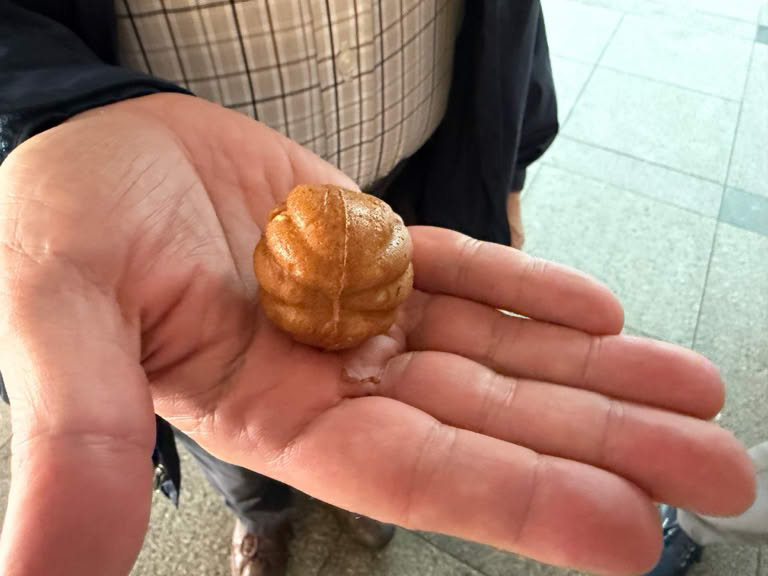
We stopped a rest stop for a bathroom break on the way back and tried Hodugwaja, a snack made with red beans and walnuts, served hot.
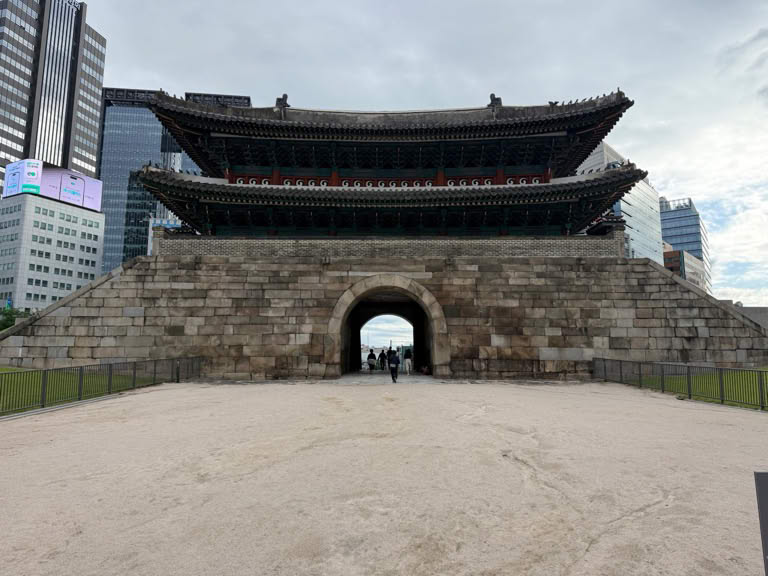
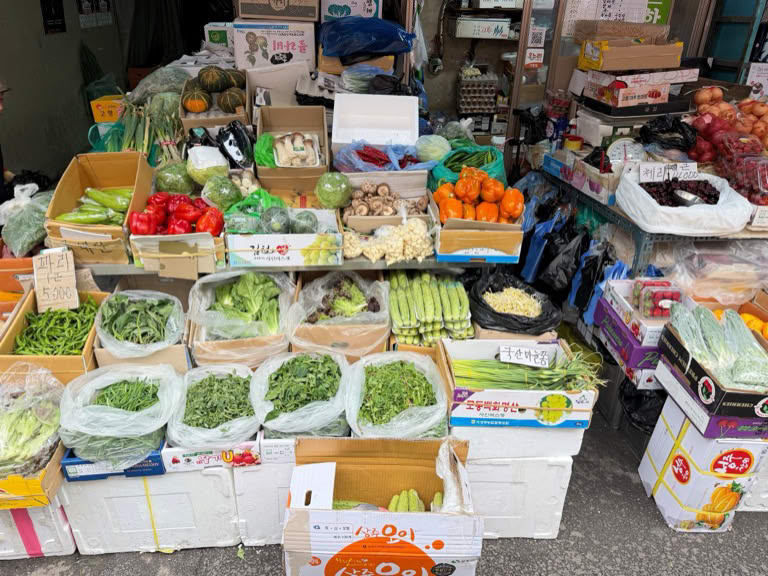
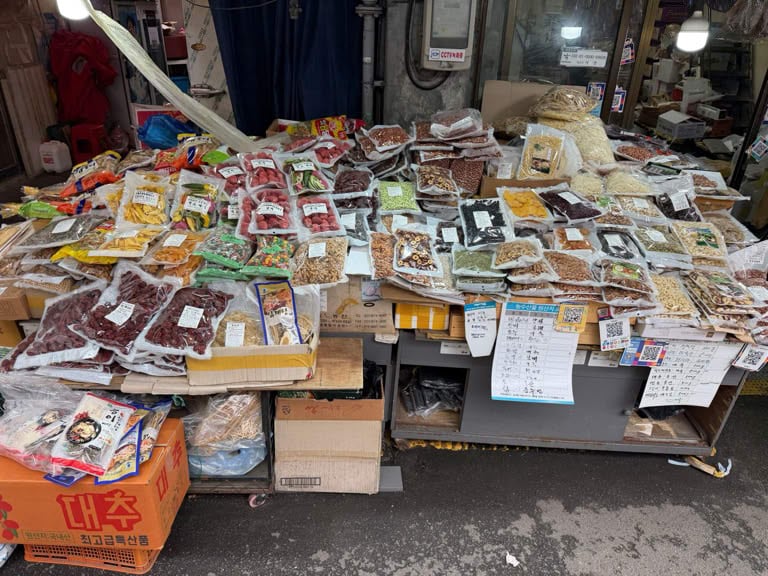
After returning to the hotel, we walked over to the day market and the Sungnyemun Gate. The day market is a mix of things for tourists and for the locals.
After supper, we packed up as we leave for Japan in the morning.